


Virtual Staging vs. Vacant Staging


What Actually Helps a Home Sell?
One of the most common questions we hear is:
“Do I really need physical staging, or can virtual staging do the job?”
The truth is, both can be helpful—but they serve very different purposes..
Virtual staging helps buyers engage online.
Vacant staging helps buyers connect—both online and in person.
When it comes to selling a home, that difference matters.
What Is Virtual Staging?
Virtual staging is when furniture and décor are digitally added to photos of an empty home.
It helps listings look more polished online and gives buyers a better idea of how a space could function. It’s often a lower upfront investment and can be a great tool for attracting attention online, but once buyers arrive for a showing, the home is still empty.
That can make it harder for them to picture how the home actually lives.
What Is Vacant Staging?
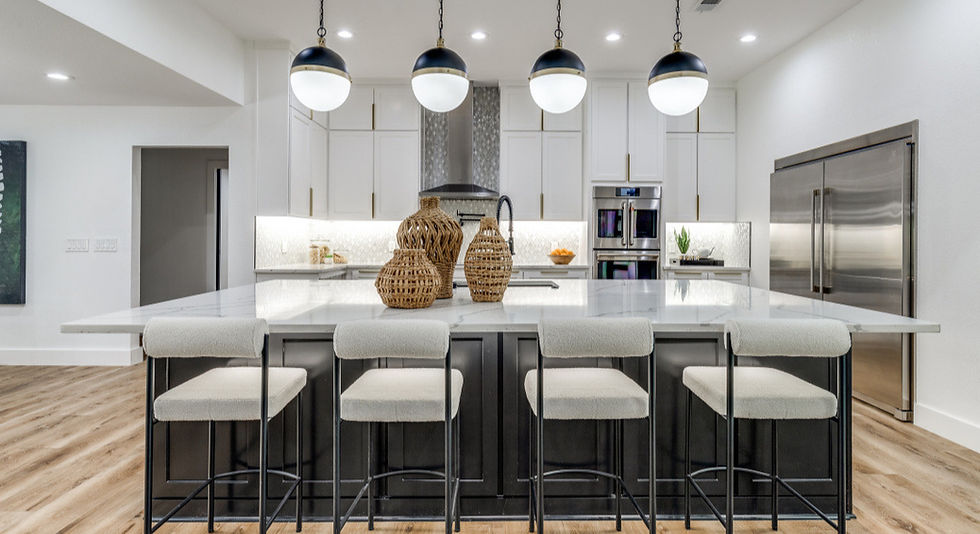
Vacant staging is physical staging - real furniture, rugs, art, and decor placed inside the home.
This helps buyers understand scale, layout, and flow the moment they walk in.
Instead of guessing where furniture would go or how a room would function, they can immediately see it.
That clarity creates connection, and connection drives offers.
Why Physical Staging Often Wins
Beautiful photos get buyers in the door. Physical staging helps them stay emotionally connected once they arrive.
A staged home:
• Feels warm and inviting
• Highlights the best features
• Helps buyers picture themselves living there
• Often leads to faster, stronger offers
One of the biggest drawbacks of virtual staging is that furniture is often not shown to scale.
This can unintentionally misrepresent the size and layout of a space, creating confusion or disappointment when buyers walk in and experience it in person.
Just as importantly, empty rooms almost always feel smaller in person than they actually are.
Without furniture to anchor the space, buyers lose a sense of proportion and often underestimate what the room can hold.
When a space is properly furnished, it not only defines function, it actually helps the room feel larger, more usable, and more inviting. Buyers don’t just buy square footage, they buy how a home feels.
When Virtual Staging Makes Sense
Virtual staging can still be a great option for:
• Budget-conscious listings
• Investor flips
• Rental properties
• Certain price points
• Supplementing listing photos
It can be a helpful marketing tool, but it doesn’t replace the in-person experience of physical staging.
The Bottom Line
Virtual staging helps buyers click. Vacant staging helps buyers commit.
One gets attention. The other creates emotional connection, and that emotional connection is often what sells the home.
At the end of the day, buyers don’t just need to see a home—they need to understand it and feel something when they walk through the door.
If you're preparing to list, thoughtful staging can make a meaningful difference from day one—both in how your home is perceived and how quickly it sells.



Comments